
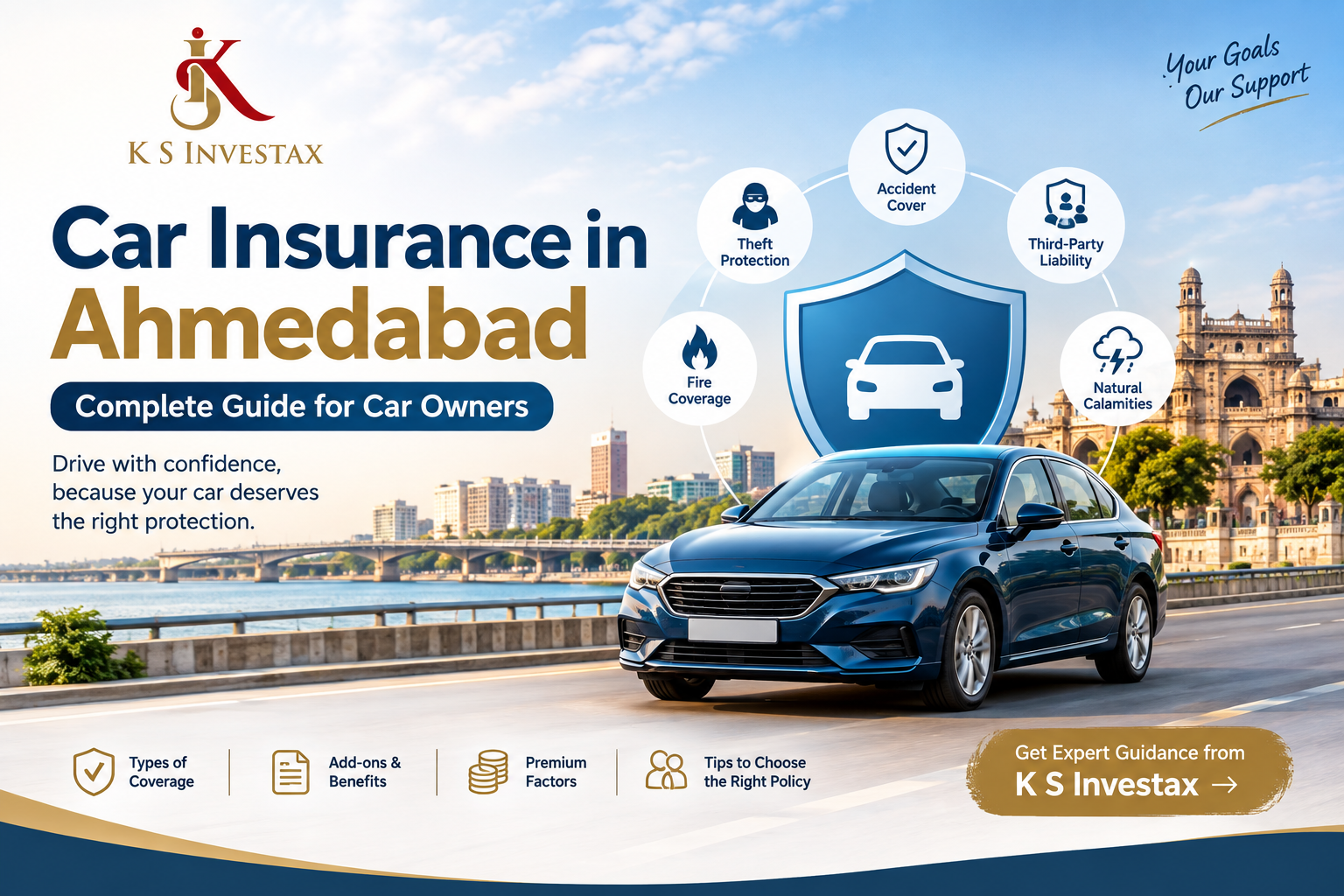
Car Insurance in Ahmedabad: A Complete Guide for Car Owners
Owning a car offers convenience, flexibility, and freedom, but it also comes with responsibilities. From regular maintenance to following traffic rules, car owners need to take several steps to protect their vehicles. One of the most important steps is choosing suitable motor insurance coverage.
With increasing traffic, unpredictable road conditions, accidental damage, theft risks, and third-party liabilities, having the right policy can provide valuable financial protection. Understanding how car insurance works can help you select coverage that matches your vehicle, driving habits, and budget.
This complete guide explains the key aspects of car insurance, different types of coverage, important benefits, factors affecting premiums, and tips for choosing suitable insurance services.
Why Car Insurance Is Important for Car Owners
Car insurance provides financial protection against various risks associated with owning and driving a vehicle. Depending on the policy selected, it can cover damage caused by accidents, theft, natural disasters, fire, and other unexpected events.
Third-party motor insurance is also a legal requirement for vehicles driven on Indian roads. It provides protection against financial liabilities arising from injury, death, or property damage caused to a third party.
Apart from meeting legal requirements, appropriate coverage can reduce the financial burden associated with major vehicle repairs or third-party claims.
Types of Car Insurance Coverage
Before purchasing a policy, it is important to understand the different types of coverage available. Insurance providers generally offer several options based on the level of protection required.
Third-Party Car Insurance
Third-party insurance provides coverage for legal and financial liabilities arising from damage or injury caused to another person or their property. It is the basic form of motor insurance required under Indian law.
However, third-party coverage does not generally protect your own vehicle against accidental damage. Therefore, car owners looking for broader protection may consider other policy options.
Comprehensive Car Insurance
Comprehensive insurance provides wider protection by combining third-party liability coverage with coverage for damage to your own vehicle, subject to the terms and exclusions of the policy.
It may provide protection against risks such as accidents, theft, fire, natural calamities, and certain other covered events. The exact coverage depends on the insurer and policy conditions.
Own Damage Insurance
Own damage coverage is designed to protect your vehicle against specified risks such as accidents, theft, fire, and natural disasters. It can be particularly useful for vehicle owners who want protection beyond third-party liability.
Key Benefits of Car Insurance in Ahmedabad
Choosing appropriate vehicle insurance can provide several benefits to car owners. The most important advantage is financial protection against unexpected expenses.
A suitable policy can help manage repair costs following a covered accident. Depending on the coverage, it may also provide protection against theft, fire, natural disasters, and other insured risks.
Another important benefit is third-party liability protection. If an accident results in injury or property damage involving another person, insurance can help manage eligible legal and financial liabilities according to the policy terms.
Many insurance providers also offer additional services such as cashless repairs through network garages, roadside assistance, and digital claim support. These features can make the insurance experience more convenient.
Factors That Affect Car Insurance Premiums
The premium you pay for motor insurance depends on several factors. Understanding these factors can help you make a more informed decision.
Vehicle Value
The insured value of your car can influence the premium. Generally, vehicles with a higher value may have higher insurance costs.
Car Model and Age
The make, model, engine specifications, and age of your vehicle can affect the premium calculation. Older vehicles may have different insurance requirements compared with newer cars.
Location
The area where the vehicle is registered and primarily used can influence risk assessment. Traffic density, accident rates, theft risks, and other location-based factors may affect pricing.
Claim History
Your previous claim record can also influence insurance costs. Maintaining a good driving record and avoiding unnecessary claims may help with renewal benefits, depending on the policy.
Add-On Covers
Optional add-ons can increase the overall premium but may provide additional protection. Examples can include zero depreciation, roadside assistance, engine protection, return-to-invoice cover, and consumables coverage.
Important Add-On Covers to Consider
Add-ons allow policyholders to customize their coverage according to their requirements. However, not every add-on is necessary for every car owner.
Zero depreciation cover can reduce depreciation-related deductions on eligible parts during a claim, subject to policy conditions. Roadside assistance can provide support in situations such as breakdowns, flat tyres, or battery-related problems.
Engine protection may be useful for certain vehicles, particularly where waterlogging or flooding presents a significant risk. Return-to-invoice cover can provide additional financial protection in specific total-loss or theft situations, depending on the policy terms.
Before selecting an add-on, compare its cost with the potential benefit and check the applicable exclusions.
How to Choose Suitable Insurance Services
Choosing an insurance provider should involve more than simply comparing the lowest premium. Consider the coverage, policy exclusions, claim process, customer support, network garages, and available digital services.
Read the policy wording carefully and understand what is covered and what is excluded. Check the insured declared value, deductibles, add-on benefits, renewal terms, and claim procedures.
It can also be useful to compare quotes from multiple providers. This allows you to evaluate coverage and pricing together rather than making a decision based only on premium.
For professional guidance, K S Investax can help customers understand different insurance options and select coverage based on their individual requirements.
Tips for Reducing Your Car Insurance Costs
There are several practical ways to manage your insurance expenses without unnecessarily reducing protection.
First, compare different policies before renewal. Look beyond the premium and evaluate coverage, exclusions, deductibles, and additional benefits.
Maintaining a good driving record can also be beneficial. Avoiding unnecessary claims may help preserve applicable No Claim Bonus benefits, subject to insurer rules.
Select add-ons carefully and choose only those that are relevant to your vehicle and usage. You should also provide accurate information while purchasing or renewing the policy because incorrect details can create problems during the claim process.
Renew your policy on time to avoid unnecessary complications and maintain continuous coverage.
What to Check Before Buying a Policy
Before purchasing car insurance, review the policy details carefully. Check the type of coverage, insured value, premium, deductible, exclusions, claim process, and network garage availability.
Make sure the personal and vehicle information provided to the insurer is accurate. Keep important documents such as the registration certificate, driving licence, previous policy details, and other required documents readily available.
You should also understand the difference between mandatory coverage and optional protection. This helps you choose a policy that provides appropriate protection without paying for unnecessary features.
Conclusion
Choosing the right car insurance is an important part of responsible vehicle ownership. A suitable policy can provide financial protection against accidents, theft, natural disasters, third-party liabilities, and other covered risks.
When comparing insurance services, consider coverage, exclusions, claim support, network garages, premiums, and add-on options rather than focusing only on price. Understanding your requirements can help you select protection that fits your vehicle and budget.
K S Investax provides insurance guidance to help customers explore suitable coverage options and make informed decisions about their vehicle protection.
If you are reviewing your existing policy or looking for a new plan, compare your options carefully and choose coverage that meets your needs. Contact K S Investax today to learn more about available insurance services and get guidance for your car insurance requirements.
Frequently Asked Questions
1. Is car insurance mandatory in India?
Yes. Third-party motor insurance is mandatory for vehicles used on public roads in India. Additional coverage can be selected based on the vehicle owner's requirements.
2. What does comprehensive car insurance cover?
Comprehensive policies generally provide third-party liability protection along with coverage for eligible damage to the insured vehicle. Coverage varies by insurer and policy, so the policy wording should be checked carefully.
3. Can I add extra coverage to my car insurance policy?
Yes. Depending on the insurer, policyholders can select optional add-ons such as zero depreciation, roadside assistance, engine protection, and other additional covers.
4. How can I reduce my car insurance premium?
Comparing policies, maintaining a good claim record, selecting relevant add-ons, and choosing suitable deductibles can help manage insurance costs. However, the cheapest policy may not always provide the coverage you need.
5. What documents are generally required for car insurance?
Requirements vary by insurer, but commonly requested documents can include vehicle registration details, previous policy information, identity details, and other relevant documents.
6. What should I do after a car accident?
First, ensure everyone's safety and contact emergency services if required. Then inform the insurance provider as soon as possible and follow its claim procedure. Keep photographs, documents, and other relevant evidence available when submitting the claim.

Recent Posts
Car Insurance in Ahmedabad: A Complete Guide for Car Owners

Health Insurance in Ahmedabad: How to Choose the Right Plan in 2026